Why is TVAR (Trap-Vaccinate-Alter-Return) Important?
1. Prevents Future Litters
3. Reduces Nuisance Behaviors
1. Prevents Future Litters

TNR stops cats from reproducing, preventing hundreds of kittens from being born over time. This reduces the number of homeless cats and lessens the burden on shelters and rescue organizations.
2. Improves Cat Health
3. Reduces Nuisance Behaviors
1. Prevents Future Litters

During the TNR process, cats are typically vaccinated and receive basic medical care. Sterilized cats are also less likely to suffer from reproductive diseases and injuries related to mating.
3. Reduces Nuisance Behaviors
3. Reduces Nuisance Behaviors
4. Stabilizes Colony Populations

Neutered cats are less likely to:
- Fight with other cats
- Roam long distances
- Spray strong-smelling urine
- Make loud mating calls
This leads to fewer complaints from neighbors.
4. Stabilizes Colony Populations
6. Creates Healthier, More Manageable Communities
4. Stabilizes Colony Populations

When a colony is managed through TNR, the population gradually declines through natural attrition. Sterilized cats also help prevent new, unaltered cats from moving into the area.
5. Saves Taxpayer and Shelter Resources
6. Creates Healthier, More Manageable Communities
6. Creates Healthier, More Manageable Communities
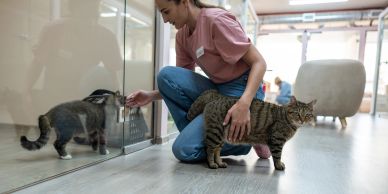
TNR reduces the number of cats entering animal shelters, lowering costs associated with housing, euthanasia, and animal control services. Communities that support TNR often see long-term savings.
6. Creates Healthier, More Manageable Communities
6. Creates Healthier, More Manageable Communities
6. Creates Healthier, More Manageable Communities

Caretakers can monitor known colonies, track cat populations, identify medical needs, and quickly respond to new arrivals. This results in healthier cats, cleaner colonies, and better outcomes for both animals and residents.